
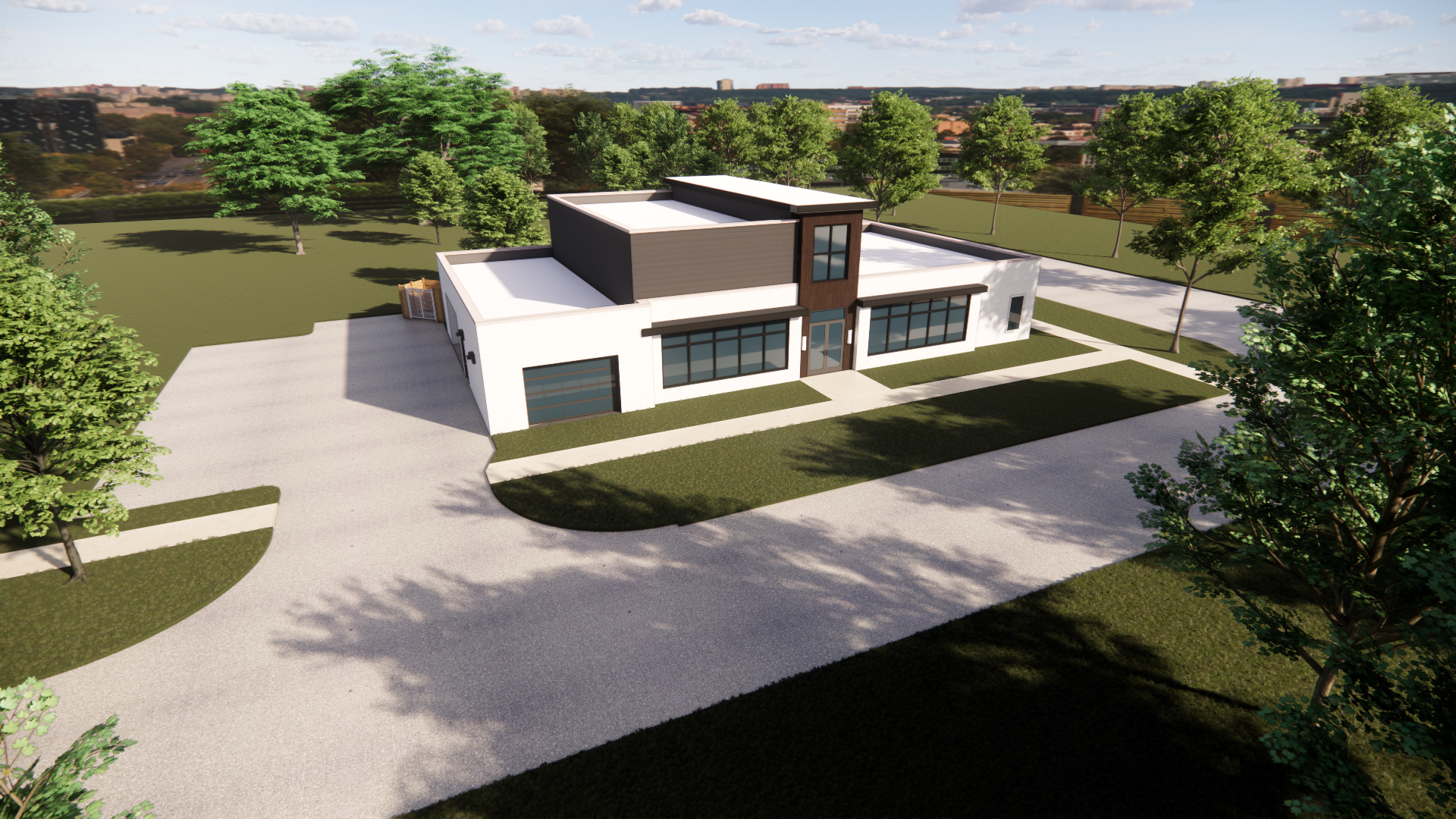
Affordable housing does not fail at the jobsite. It fails much earlier than that.
By the time a project reaches construction, most of the decisions that determine feasibility have already been made. Site assumptions are locked in. Unit counts are fixed. Systems are chosen. Budgets are stretched. At that point, there is very little room left to solve fundamental problems.
This is why early architectural planning matters so much in affordable and workforce housing. The earliest phases of a project shape everything that follows: cost, schedule, livability, operations, and long term stability. When planning is rushed or treated as a formality, feasibility suffers. When planning is thoughtful and grounded in real constraints, affordable housing becomes not only possible, but durable and humane.
Method Group works with developers, municipalities, nonprofits, and institutions who understand that affordable housing is both a financial challenge and a human responsibility. Their approach emphasizes early clarity, collaboration, and empathy. By engaging architecture as a strategic tool from the start, they help clients deliver housing that works on paper and in real life.
This article explores why early architectural planning is essential to affordable housing feasibility and how Method Group guides that process with care and precision.
Feasibility Is Set Earlier Than Most Teams Realize
Many affordable housing teams focus heavily on later stages: financing rounds, construction pricing, and delivery schedules. Those are important, but they are downstream of the most impactful decisions.
Feasibility is largely determined by:
Site selection and constraints
Density and unit mix assumptions
Building form and efficiency
Structural and system strategies
Phasing and constructability
Regulatory alignment
All of these are architectural questions. When they are addressed early, teams gain flexibility. When they are deferred, projects become rigid and fragile.
Method Group approaches early planning as the moment where feasibility is either protected or compromised. Their role is to surface risks, clarify tradeoffs, and help clients make informed decisions before momentum makes change expensive.
Site Selection and Early Analysis
Affordable housing budgets leave little room for surprises. That makes site selection one of the most critical early planning steps.
Sites that appear attractive on the surface may carry hidden challenges:
Irregular geometry that reduces building efficiency
Poor soil conditions that increase foundation cost
Utility limitations that require upgrades
Floodplain or drainage constraints
Adjacencies that create noise or safety concerns
Zoning provisions that limit density or height
Method Group conducts early site analysis with a focus on livability and cost together. They look beyond acreage and price to understand how the site will actually support housing.
This early clarity helps teams avoid sites that undermine feasibility or require compromises that hurt residents later. It also allows promising sites to be leveraged fully through smart massing and orientation strategies.
Density Decisions That Balance Yield and Quality
Density is often treated as a purely financial lever. More units mean more revenue, which is assumed to improve feasibility. In reality, poorly planned density can increase cost, strain operations, and reduce resident satisfaction.
Early architectural planning helps answer nuanced questions such as:
What density is appropriate for this site and context
How can units be arranged to maximize efficiency
Where does added density begin to harm livability
How does density affect circulation, parking, and open space
Method Group helps clients find density that supports feasibility without sacrificing dignity. By studying building form, unit stacking, and circulation early, they identify opportunities to add value through efficiency rather than brute force.
Building Form as a Cost Control Tool
The shape of a building has a profound impact on cost. Simple, efficient forms reduce construction complexity and material waste. Overly complicated forms increase labor, coordination, and long term maintenance.
Early planning allows teams to test building forms before design becomes fixed. Key considerations include:
Structural grid efficiency
Repetition of unit types
Stack alignment for plumbing and mechanical systems
Envelope simplicity
Relationship between floor plates and circulation
Method Group uses early massing studies to balance architectural expression with constructability. Their goal is not to strip character, but to create forms that are elegant in their efficiency.
This approach helps affordable housing projects remain buildable within constrained budgets while still delivering environments that feel thoughtful and humane.
Unit Mix Decisions That Support Feasibility
Affordable housing serves diverse populations. Unit mix must respond to real demand while remaining financially viable. Early planning is the moment to align these needs.
Questions addressed at this stage include:
How many family sized units are required
What mix supports local workforce demographics
How do unit sizes affect cost per unit
How can layouts support flexibility over time
Method Group works with clients to analyze demographic data, funding requirements, and operational considerations together. This helps avoid mismatches between unit mix and actual need, which can harm lease up and long term stability.
By resolving these questions early, teams reduce the risk of costly redesign later.
Systems Strategy and Long Term Cost
Building systems represent a significant portion of both upfront cost and long term operating expense. Decisions around structure, mechanical systems, and envelope performance are most impactful when made early.
Early architectural planning helps teams evaluate:
Structural systems that balance cost and flexibility
Mechanical strategies that support energy efficiency
Envelope approaches appropriate to climate and budget
Opportunities for prefabrication or modularity
Maintenance implications over the building’s life
Method Group integrates systems thinking into early planning rather than treating it as a later engineering exercise. This holistic approach helps clients make choices that support both initial feasibility and long term affordability.
Regulatory Alignment From the Start
Affordable housing projects often navigate complex regulatory environments. Zoning, building codes, accessibility requirements, and funding compliance all shape what is possible.
When these factors are not addressed early, teams risk developing designs that require major changes later. That can delay schedules, increase soft costs, and threaten funding timelines.
Method Group prioritizes early alignment with regulatory realities. They engage planning staff, understand local ordinances, and design within known constraints whenever possible.
This proactive approach reduces entitlement risk and helps projects move forward with confidence.
Community Context and Acceptance
In many communities, affordable housing faces scrutiny. Early architectural planning plays a critical role in building trust.
Design decisions that influence community perception include:
Building scale and massing
Relationship to existing neighborhoods
Street presence and entry design
Landscaping and open space
Material choices and detailing
Method Group helps teams address these concerns early, framing affordable housing as a community asset rather than a threat. Thoughtful planning can reduce opposition, streamline approvals, and protect schedules.
Designing for Constructability and Schedule
Time is money in affordable housing. Delays can jeopardize financing, increase costs, and strain partnerships. Early architectural planning helps identify constructability issues before they become obstacles.
Considerations include:
Clear sequencing and phasing
Repetition that supports faster construction
Coordination with local contractor capacity
Material availability and lead times
Site logistics and access
Method Group collaborates closely with construction perspectives during early planning. This helps ensure that designs are realistic and aligned with market conditions.
Phasing as a Feasibility Strategy
Some affordable housing projects benefit from phased development. Early planning is the moment to explore this option thoughtfully.
Effective phasing strategies:
Deliver complete, livable environments at each stage
Align infrastructure investment with growth
Preserve design coherence over time
Reduce financial risk
Method Group helps clients evaluate phasing as a strategic tool rather than a last resort. When planned early, phasing can improve feasibility and flexibility.
Avoiding Late Stage Redesign
Late stage redesign is one of the most common threats to affordable housing feasibility. Changes made after documents are complete are expensive and disruptive.
Early architectural planning reduces this risk by:
Clarifying goals and constraints up front
Resolving major questions early
Building stakeholder alignment
Testing assumptions before they harden
Method Group’s disciplined early process helps teams move forward with confidence, minimizing costly backtracking.
Affordable Housing as a Long Term Asset
Affordable housing is not a short term solution. It is infrastructure that must serve communities for decades. Early planning decisions shape how well buildings age, how they are maintained, and how residents experience them over time.
Method Group views affordable housing through this long lens. They help clients invest early in decisions that protect long term value, reduce operational strain, and support resident wellbeing.
How Method Group Supports Early Planning
Method Group partners with clients at the earliest stages of affordable housing development to:
Evaluate sites realistically
Define density and unit mix thoughtfully
Develop efficient building forms
Align systems with budget and climate
Navigate regulatory requirements
Build community trust through design
Their approach is calm, informed, and deeply caring. They understand that affordable housing is both a technical challenge and a moral responsibility.
Moving Forward With Clarity
Affordable housing feasibility is not a mystery. It is the outcome of early, intentional planning decisions made with honesty and care. When architecture is engaged early as a strategic partner, projects gain flexibility, resilience, and clarity.
Method Group helps teams move into that clarity. By guiding early architectural planning with empathy and rigor, they make affordable housing more feasible, more livable, and more enduring.
If you are considering an affordable housing project and want to protect feasibility from the start, Method Group is ready to help you plan thoughtfully and move forward with confidence.