
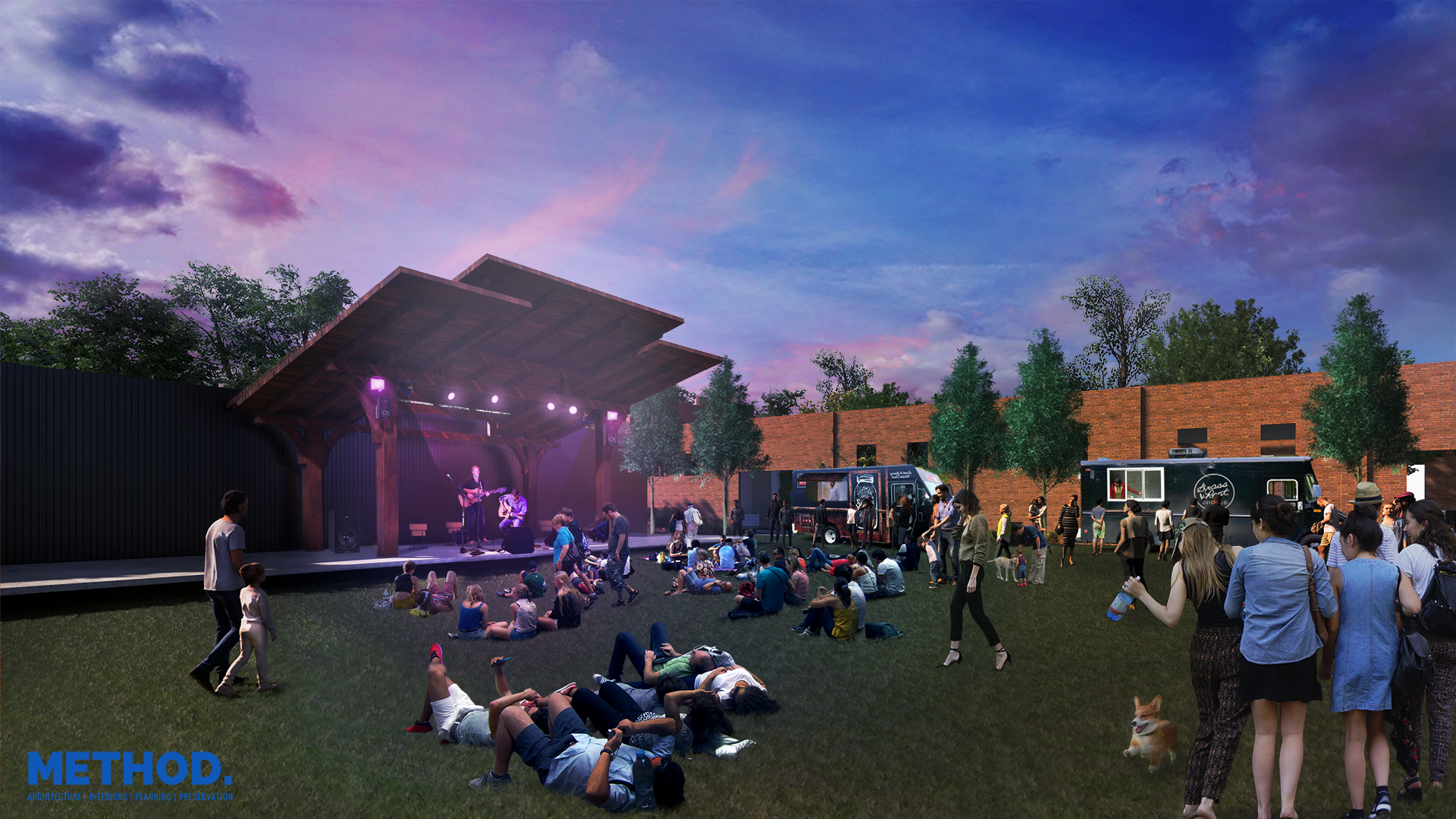
Design has the power to divide or unite, to isolate or include. At Method Group, we believe architecture isn’t neutral—it either contributes to belonging or it doesn’t. In a time of political division, cultural fragmentation, and generational distrust, Oklahoma communities need more than buildings. They need spaces that say, “You matter here.”
We call it the architecture of belonging. It’s our commitment to designing spaces that promote connection, inclusion, equity, and healing. Whether we’re working on a rural town hall, a school expansion, a community health center, or a downtown redevelopment plan, our approach centers people first—not just as users of space, but as co-authors of it.
We’ve seen the difference design can make in trust, turnout, mental health, and social cohesion. And in a place as complex and diverse as Oklahoma, that difference matters.
Why Belonging Matters in the Built Environment
Belonging is not a feeling that happens by accident. It’s shaped by everything from seating arrangements to door widths, from lighting to acoustics, from signage to sidewalk connectivity. Every design choice is a message. Some invite. Some exclude.
If a public building makes you feel unsafe, overwhelmed, unseen, or confused, you will avoid it. And when civic buildings feel closed off or culturally unfamiliar, participation plummets.
At Method Group, we design for the opposite: spaces that feel open, clear, respectful, and made for you. That starts with empathy, deep listening, and a commitment to designing for the whole person—not just their function in a floor plan.
Who’s Being Left Out (and How It Happens)
Too many design processes overlook marginalized voices:
Seniors who struggle with mobility
Neurodivergent individuals overwhelmed by chaotic environments
Non-English speakers confused by mono-language signage
Black, Indigenous, and Latino community members who don’t see their histories or cultures reflected
Parents with strollers who find sidewalks impassable
It’s rarely malicious. But oversight is still exclusion. And over time, exclusion becomes institutionalized.
Architecture that fosters belonging does the opposite. It says: “We thought of you.”
How Method Group Designs for Belonging
Community Co-Design from Day One
We don’t believe in “public engagement” that consists of one town hall and a PDF. Our process includes:
Deep listening sessions with community members
Interviews with frontline service providers
Youth engagement to capture the next generation’s needs
Partnerships with cultural leaders and historians
We use these inputs to shape not just programs and materials, but form and experience.
Designing Beyond ADA
Code compliance is the floor—not the ceiling. We go further by designing for:
Sensory-sensitive environments for neurodiverse users
Universal design principles that benefit all bodies
Ample quiet spaces for de-escalation, reflection, or prayer
Flexible, multi-purpose rooms that accommodate changing needs
Belonging is about anticipating needs before they become barriers.
Architecture that Reflects Cultural Identity
Too many civic buildings feel sterile or disconnected. We work with artists, historians, and cultural stakeholders to:
Incorporate local symbols and textures
Display stories of resilience and heritage
Use color and form that honor local aesthetics
Belonging is visual. It’s spatial. And it’s historical.
Locally Sourced, Community-Embedded Design
We prioritize materials, labor, and furnishings that come from the communities we serve. This does more than boost local economies—it sends a message that this space was built by and for the people who live there.
We don’t design onto a community. We design with it and within it.
The Cost of Ignoring Belonging
When spaces exclude, communities suffer. You get:
Lower civic participation
Higher public health costs
Lower economic resilience
Deeper generational mistrust
You also waste taxpayer dollars. A building that doesn’t feel safe, usable, or inviting gets underused. Maintenance suffers. Deferred upgrades pile up. And public frustration grows.
Belonging is not “extra.” It’s essential to performance, longevity, and trust.
Oklahoma-Specific Challenges and Opportunities
In Oklahoma, we face a unique landscape:
Small towns with aging civic buildings from the 1950s
Tribal nations building cultural infrastructure
Disconnected downtowns in need of healing
Diverse populations with histories of displacement or neglect
This context demands more than architectural skill. It demands cultural literacy, regional humility, and long-term partnership.
Method Group doesn’t just design for Oklahoma—we’re from here. We know the stories. We understand the nuance. We’ve built trust across sectors, across ideologies, and across generations.
We bring all of that to the table when we design for belonging.
What to Ask When Planning a Project
If you’re leading a project—whether it’s a school, a park, a library, or a town square—ask these questions early:
Who isn’t at the table yet?
What stories should this building tell?
How can this space serve on its quietest and busiest days?
What materials feel of this place—not imported into it?
How will people feel as they enter, use, and leave this space?
If you don’t know those answers yet, that’s okay. We help you find them.
We turn those insights into architecture that reflects your people and strengthens your community.
Belonging is a Design Outcome
You can measure it in:
Attendance at public events
Reduced staff turnover in civic buildings
Increased volunteerism and stewardship
Improved trust in public institutions
When people feel seen and considered, they engage. When they engage, communities grow stronger.
That’s the kind of architecture we need more of—not louder, bigger, flashier buildings, but braver ones. More humble. More connected. More human.
Method Group designs places that make people feel like they belong—because that’s what Oklahoma needs. And it’s what every person in every zip code deserves.